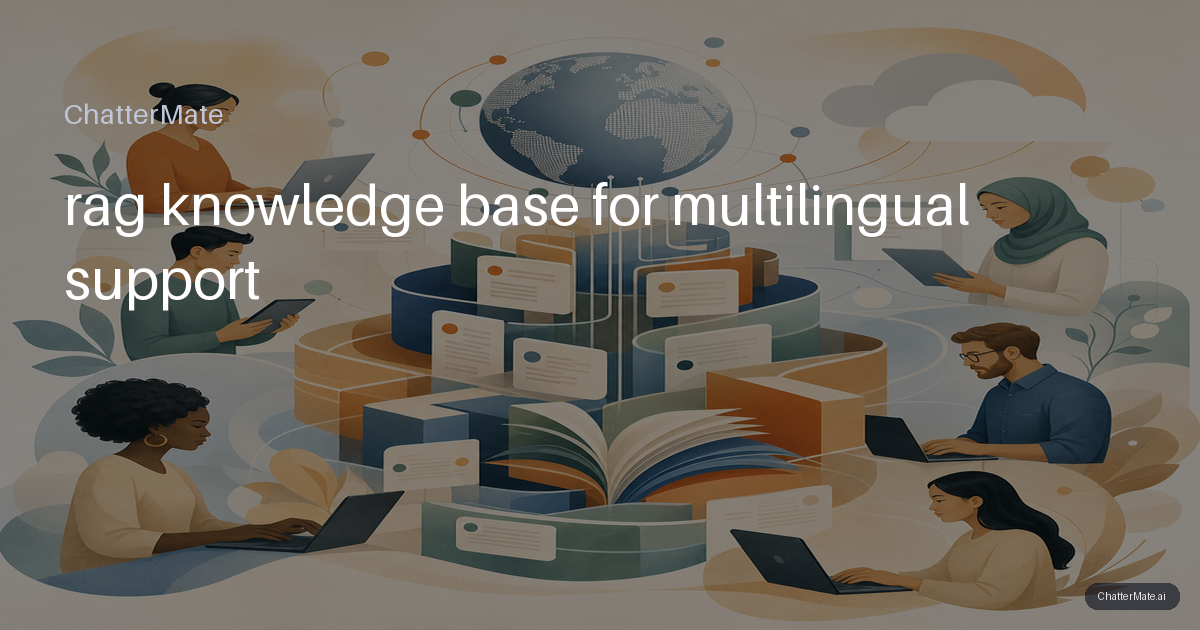
If your customers speak different languages, a chatbot that serves only your largest market can make support feel closed to everyone else. You can expand access without building a separate support experience for each country: choose languages based on real demand, ground answers in reliable localized information, and make human handoff clear when the bot is unsure.
Choose languages by customer need, not a wish list
Language coverage is an access decision, not a translation checkbox. Start with evidence: support-ticket language, site traffic, active markets, and requests that currently wait for an agent. A company receiving 60% of chats in English, 25% in Spanish, and 10% in French may get more value from dependable Spanish and French service than from listing twelve languages that have never been tested. Include product names, currencies, hours, and local service availability in the decision; a chatbot cannot compensate for an offer that does not exist in that region.
Coverage affects the first moments of support. A customer who can ask “¿Puedo cambiar la fecha de entrega?” without switching languages is more likely to explain the issue clearly and continue. Measure completion and handoff rates by language, not just overall satisfaction, so a strong English average does not conceal poor access elsewhere.
Organize localized sources before connecting chat
A rag knowledge base starts with authoritative sources your team already uses, organized so retrieval can distinguish current policy from outdated copy. Upload help articles, shipping rules, refund terms, and URLs; label each with an owner, locale, effective date, and topic. Keep translated equivalents linked to the source policy, and remove superseded versions. For example, if a French returns page says 30 days while the current policy says 14, the chatbot may retrieve both and produce a confident contradiction.
Do not treat machine-translated text as approved policy. Ask a fluent reviewer to check high-risk content, especially exceptions, legal notices, and product terms. Keep documents organized around complete answers—eligibility, steps, and deadlines—rather than separating a condition from its exception. Clear source organization also helps citations point customers to the right language version. For guidance on keeping wording consistent across markets, see this practical guide to brand voice.
Handle regional wording and unresolved questions
A language label does not capture every local difference. Spanish-speaking customers may use “orden,” “pedido,” or a regional term for a delivery; French wording and formal address can also vary by market. Build a short glossary of product names, preferred terms, and phrases the bot should recognize, then have local reviewers test it in realistic questions. Avoid forcing every region into one generic voice: consistency matters, but so does sounding natural and respectful.
Set a clear boundary for uncertainty. If the answer depends on an account detail, an exception absent from the source, or a policy the chatbot cannot verify, it should say so and offer an agent handoff. Pass along the conversation, detected language, relevant citations, and the unresolved question so the customer does not have to start over. Where supported, teams can use @mentions to bring a relevant source or context into a conversation for review. Good handoff is part of the language experience, not a failure of it.
Test a small multilingual pilot before launch
Choose one or two languages and a small set of frequent intents, such as delivery tracking, returns, and appointment changes. For each intent, prepare test prompts that include formal wording, colloquial terms, typos, and regional variants. Record the expected answer, the source that should support it, and whether the right outcome is an answer or a handoff. Ask fluent reviewers to score factual accuracy, naturalness, citation quality, and appropriate escalation—not just whether the reply sounds polished. Better AI briefs and test instructions help reviewers assess responses consistently.
Run the pilot with a limited audience, review failed or low-rated conversations weekly, and fix the source or wording behind each recurring issue. Set a launch threshold in advance, such as no unsupported policy claims and a minimum reviewer score for naturalness. Track results separately by language. If you want to put this workflow into practice, ChatterMate’s Knowledge Base & RAG supports document and URL uploads for retrieval-augmented chat with citations and @mention context.
Frequently asked questions
Explore ChatterMate
Enjoyed this read?
Like, Share or comment below.